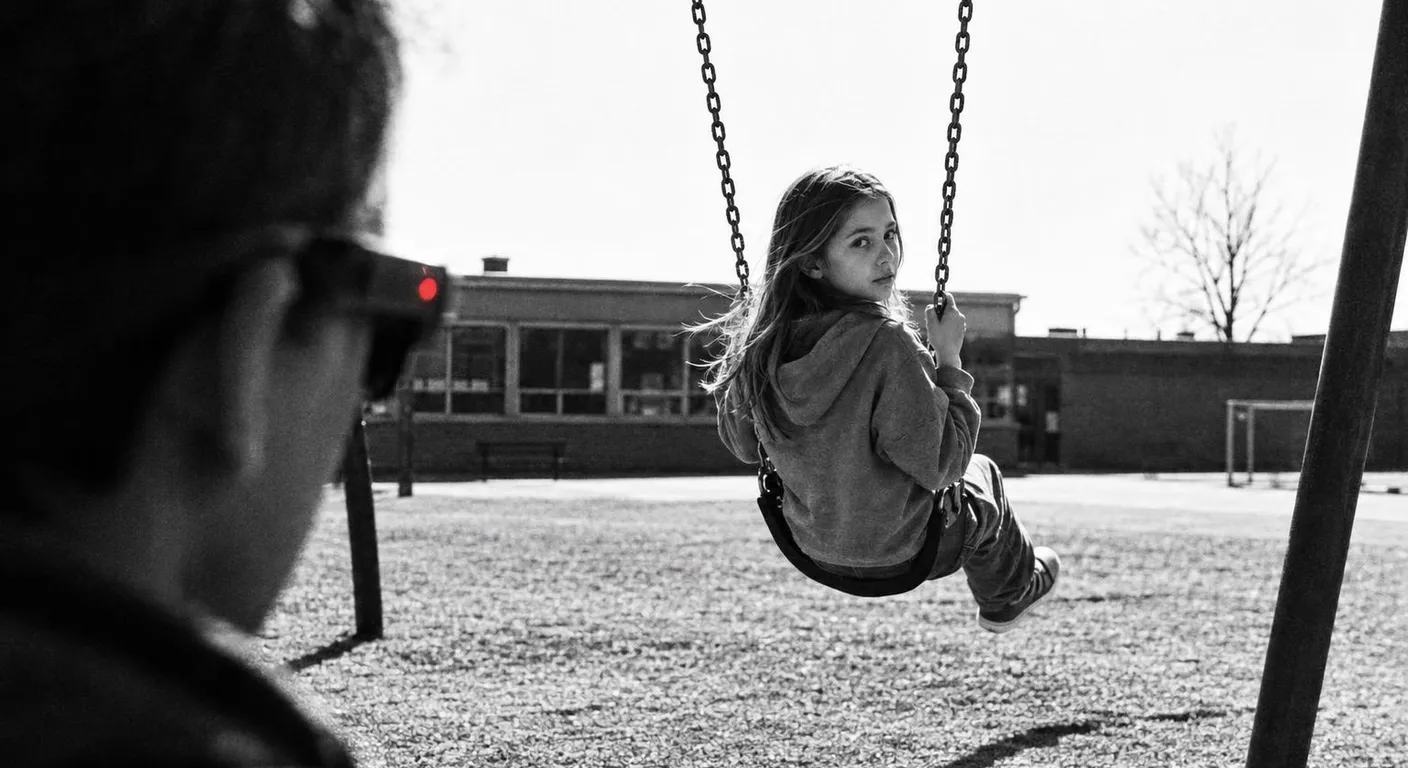
Norway's government said on Oct 5, 2026 that it plans to propose a temporary ban on the use of AI glasses in selected places, naming public gathering spots such as parks, beaches, museums and shopping centres as well as schools, doctors' offices and gyms with changing rooms (Reuters, via US News). The glasses look like ordinary eyewear but carry a camera and a microphone, so the person opposite can be photographed or recorded without knowing. Norway plans to ask parliament for a pause rather than a settlement, and nothing has been passed: no ban is in force.
The proposal is drawing attention because of what it leaves out as much as what it covers. It is not a total ban. Private use would stay legal, and so would use where nobody is at risk of being filmed without consent. What Norway is proposing is narrower: to keep the devices out of places where people expect not to be watched, while an expert group works out what the lasting rules should be.
A device already on millions of faces
The proposal matters beyond Norway because the product is no longer niche. EssilorLuxottica, which makes the Ray-Ban and Oakley smart glasses with Meta, reported selling more than 7 million units in 2025, more than triple its 2024 figure (UploadVR, citing the company's Q4 2025 earnings). The devices at issue are glasses that carry a camera and microphone, in some cases with AI features. Which of them the ban would cover is still undecided.
What the government would restrict
According to the government's statement, the ban could apply to places where the public regularly gathers, including parks, beaches, museums, shopping centres and public events, and to privacy-sensitive settings such as doctors' offices, swimming pools and gyms with changing rooms (Reuters). Government officials have said a major focus is spaces where children congregate, such as schools, kindergartens, playgrounds and youth clubs (CBC).
The limits are stated as clearly as the ban. Private use would remain allowed, and the government has said it will consider exceptions for vulnerable groups and for uses with an evident social purpose (AP, via The Independent). That carve-out is still an open question: the government has said such uses would be weighed, not ruled in.
The scope is still undecided
The government has not settled which devices the ban would cover. It has said it will examine whether the rule applies to glasses with camera and audio recording, glasses with camera and AI functions, or other body-worn technology with cameras, audio recording or AI (Reuters). A separate expert group is to advise on permanent national regulation of body-worn technology, which is why the measure is described as temporary. The proposal is meant to hold the line while that group works, not to be the final word.
The bans that already exist
Others in Norway moved before the government did. Schools in the capital, Oslo, and Equinor, the country's largest company, have already barred the glasses, Equinor from its offices and offshore facilities (Ars Technica). Elsewhere, the Dutch eyewear chain Hans Anders suspended sales of Meta's Ray-Ban glasses in the Netherlands and Belgium over privacy concerns (Economic Times), and Paris prosecutors opened a criminal investigation into suspected sexual harassment after women were filmed in the street without their knowledge (RFI).
Courts and public venues have moved too. New York's state court system has prohibited smart glasses inside any of its facilities since July 20, 2026, covering prescription and non-prescription eyewear with no exemption (New York State Unified Court System).
Why the reaction runs wider than one country
The Financial Times framed Norway as the first major country to propose a ban of this kind (Financial Times), and the reporting notes that Australia is considering barring camera-equipped smart glasses in government workplaces and that courtrooms in several countries have barred the devices. The concern is not only about a single photograph. In March 2026, US senators wrote to Meta's chief executive warning against reported plans to add facial recognition to the glasses, arguing the devices could capture images of thousands of people and link them to names and profiles (US Senate letter to Meta). Meta shut down Facebook's face-recognition system in 2021; the senators' letter attributes the new plans to press reports.
Why the government wants a pause
Norway's digitalisation minister, Torgeir Micaelsen, described the worry in plain terms: he is concerned about powerful new technology being introduced where people risk being photographed, filmed or audio-recorded without knowing it, and said the pause would allow a thorough assessment and an informed debate as a foundation for permanent rules (Reuters). He added that the government does not want a society where people fear hidden recording in situations where they are used to going unmonitored (Ars Technica). Adam Smith, a technology advocacy officer at the UK-based group Privacy International, called the move a welcome protection against big tech's attempts to extract ever more data, often without thought for the privacy or rights of others (CBC).
What has to happen for it to bite
The bill still has to go to the Storting, Norway's parliament, and the government is a minority, so it needs support from other parties to pass. Until then no national ban applies in the places named. The measure's practical test is that expert group: whether it recommends permanent rules that cover only glasses with cameras, or the broader category of body-worn devices now coming to market. Norway is asking for a pause, and the details that decide how much it changes are the ones still being written.